
Dorm Room Prep: What to Pack, What to Skip, and How to Make a Small Space Work
Hello Life Simplifiers,
If you are reading this blog post I am guessing you also have a student about ready to head off to college. I see you, I am writing this blog post sitting outside of my daughters college while waiting for her to register for classes. Sitting at a table where she may sit to study is a moment I am so grateful for.
We are currently visiting her school and completing her orientation on this trip. So many parents have expressed overwhelm and even shed some tears. I had it on my heart to create this blog post to help us overwhelmed and possibly heartbroken parents navigate even one small step of this process.
If this is the season you are in, it is going to be okay. They are going to be okay, you did a great job and now it’s time to let them fly. Before we let them go, we can set them up for success by simplifying their move in and dorm experience.
Sending you lots of love and wishing your student all the best!
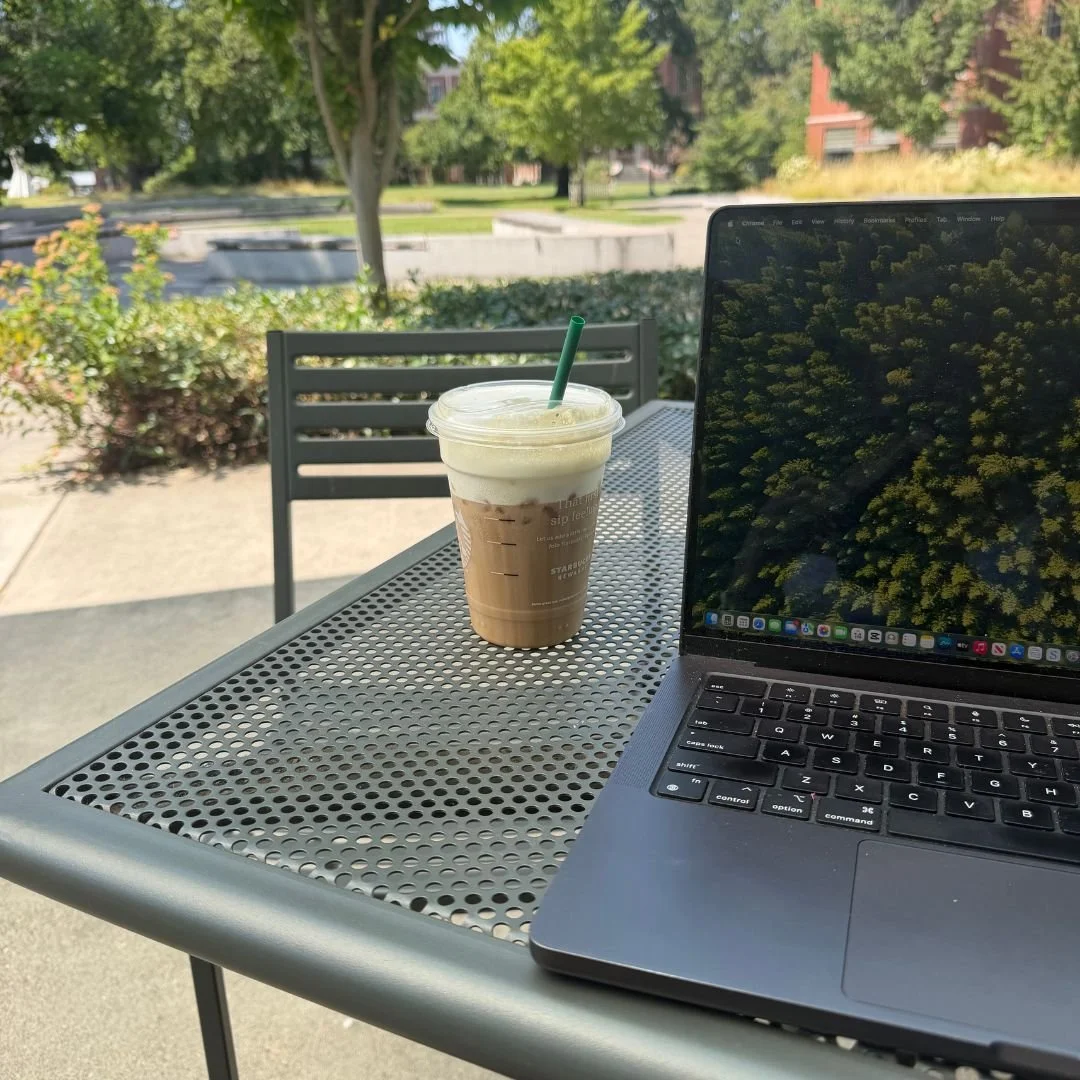
Choking back the tears as I type. Such a surreal and proud moment as a mom.
There are lists everywhere telling you what they “need,” endless products to scroll through, and this feeling that the entire room has to be planned and finished before move-in day.
As I prepare to move my own daughter into college, I keep coming back to the same advice I give my organizing clients: start with what you know, focus on what will make everyday life easier, and leave room to adjust.
The truth is, you do not really know how your student will use the room until they are living in it.
The dorm does not need to be perfectly styled on move-in day. It needs to give them a comfortable place to sleep, study, get ready, and begin figuring out life on their own.
This post links to my Shop My Favorites page, which contains Amazon affiliate links. If you purchase through one of those links, I may earn a small commission at no additional cost to you. I only share products I genuinely recommend.
Start With the University
Before buying anything, check the university’s housing information.
Most schools provide details about what students can and cannot bring, along with room measurements, furniture, bed heights, floor plans, bathroom setups, and approved appliances.
Dorm rooms can vary, even within the same university, so look for information about your student’s specific building whenever possible.
A little research before shopping can prevent you from buying something that will not fit, is already provided, or is not allowed.
Talk to the Roommate(s)
Your student and their roommate do not need to coordinate every detail or create a perfectly matching room, but they should talk about shared items.
They may be able to share a mini fridge, microwave, area rug, trash can, cleaning supplies, dishes, fan, or air purifier.
This helps avoid buying two of everything and filling the room before they even arrive.
Plan for the Distance and Weather
Dorm prep will look different for a student moving somewhat locally than for one moving across the country.
If they are staying closer to home, you have more flexibility. You can bring the basics, see how everything fits, and return later with anything they actually need.
For a cross-country move, think about how much they can realistically transport and what can be ordered for pickup or delivery near campus. Focus on the essentials, but remember that most everyday items can still be purchased or shipped after they arrive.
Check the weather around the university too. Consider the temperatures at the beginning of the school year, when rain or snow typically begins, whether the dorm has air conditioning, and what clothing, shoes, and bedding your student will need before coming home again.
You do not have to fill a small dorm closet with every season of clothing on move-in day.
Pack for Your Actual Student
This is where the dorm checklists can get tricky.
Just because something appears on a list does not mean your student will use it.
Think about how they live at home. What do they actually use? What would make sleeping, studying, getting ready, eating, and doing laundry easier?
You can always add something later. It is much easier to buy what they discover they need than to find space for things they never use.
Use the Space Under the Bed
The bed takes up a large portion of a dorm room, so the space underneath it can be really valuable.
Depending on the setup, it might hold clothing, extra bedding, shoes, snacks, laundry supplies, luggage, or less frequently used items.
But wait until you know the measurements and final bed height before buying containers.
Bins last.
Figure out the space first, then choose the product that solves the actual problem.
Keep the Bedding Simple
Most dorm beds are Twin XL, but confirm the size with the school.
Your student will likely need a mattress protector, mattress pad or topper, pillow, comforter, and two sets of sheets.
Dorm bedding can be cute and comfortable without an overly complicated setup. Remember, your student will be the one washing it, changing it, and finding somewhere to store it.
Make the Desk Easy to Use
A dorm desk may become a study space, charging station, getting-ready area, and general drop zone.
Start with a few everyday school supplies, good lighting, and a simple place for charging cords. Try not to cover the entire surface with organizers before your student has used it.
Leave enough open space for them to actually sit down and work. If they discover they need another organizer later, you can add it then.
Make Laundry as Easy as Possible
Choose a hamper or laundry bag that is easy to carry, especially if the machines are on another floor or across the building.
Send detergent and a stain remover, but keep the system simple. Make sure your student knows how much detergent to use, what should not go in the dryer, and how often to wash sheets and towels.
This may not be the cutest part of dorm prep, but it is one of the most useful.
Plan Around the Bathroom
What your student needs will depend on whether they have a communal, shared, or private bathroom.
For a communal bathroom, they may need a shower caddy, shower shoes, towel, robe, toiletry bag, and something for carrying wet items.
Choose a caddy that is easy to carry and can dry between uses. Start with the toiletries they use every day instead of filling it with months of backup products.
For a suite-style bathroom, coordinate with roommates before buying shared supplies or storage.
Create a Simple Food and Snack Area
Check the school’s rules before buying food or appliances.
Start with a few favorite snacks, a reusable water bottle, basic dishes and utensils, a couple of food-storage containers, and simple cleaning supplies.
You do not need to send a semester’s worth of snacks. Food takes up space, and your student’s routine may change once they are on campus.
Make It Feel Like a Home away from home
Decor matters because this small room will be your student’s home away from home.
Photos, a favorite blanket or pillow, artwork, or a few familiar items from their room can make the new space feel more comfortable.
Bring enough to make it personal, but try to let go of the pressure to make it perfectly finished on move-in day.
Your student may not know what they want on the walls or what will make the room feel like home until they have lived there for a little while.
Start with a few things they already love and let the room come together over time.
It does not have to be perfect on day one. It just needs to feel comfortable enough for them to begin.
Consider a First-Night Bag
A separate first-night bag may be helpful if your student is traveling a long distance, arriving late, staying in a hotel, or will not have immediate access to everything they packed.
Include the basics, such as medications, toiletries, pajamas, a change of clothes, towel, bedding, phone charger, water, snacks, and important documents.
For a somewhat local move, a separate bag may not be necessary. Just make sure the essentials are clearly labeled and easy to find.
And if you can, make the bed early. Even if the rest of the room is unfinished, your student will have a comfortable place to sleep.
What Can Wait
You do not have to buy everything before move-in.
Consider waiting on:
Extra furniture
Large storage systems
Multiple drawer units
Large quantities of food
Too much seasonal clothing
Backup toiletries
Organizers without confirmed measurements
Anything you are buying “just in case”
Waiting does not mean you are unprepared. It gives your student time to understand the room, settle into a routine, and see what would actually make the space work better.
Let the Room Evolve
Move-in day is the beginning, not the deadline for creating a finished dorm room.
Over the first few weeks, your student will notice what they reach for, what gets in the way, and what they are missing. Those decisions will be much easier to make once they are living in the space.
Start with the essentials. Leave a little breathing room. Then adjust as you go.
Shop My Dorm Room Favorites
I gathered some of my favorite practical dorm-room essentials for sleeping, studying, laundry, bathroom routines, food storage, and small-space organization in one place.
The goal is not a picture-perfect dorm room.
The goal is a small space that feels comfortable, works for your student, and supports them as they begin this completely new season.






You got this! We can do this!
Sending you and your students so much love in this season!
Choose Simple,
Sarah